
Utilization Proposals of Motors to Solve Conveyor Issues
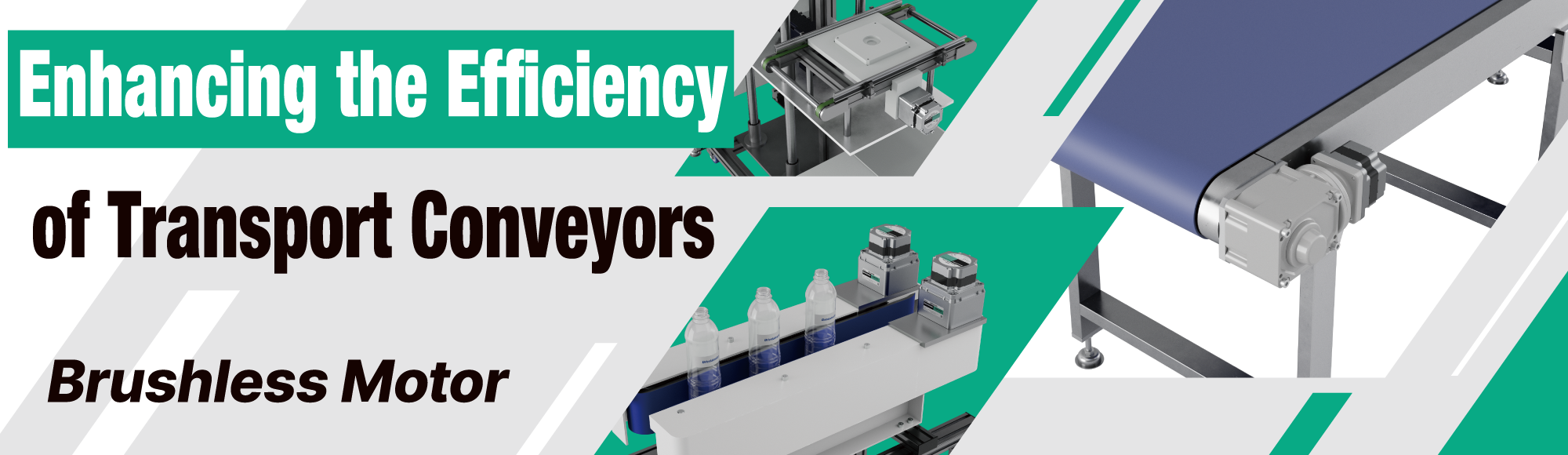
Brushless Motors Add to the Efficiency of Transport Conveyors
While many combinations of induction motors and inverters are used in transportation conveyors, a new option called "Brushless motors" is emerging. Introduce ways to utilize brushless motors to provide new value to conveyors.
Achieving Smaller Conveyors, Space Saving and Lightweight
Here are application examples that take advantage of characteristics "small, thin, lightweight, and high power" of brushless motors.
Due to Limited Installation Space, Reducing Protrusions on the Sides of the Conveyor Is Necessary
Compared to induction motors with equivalent torque and frame size, brushless motors have the following advantages.
- Motor protrusion reduced by approximately 50 % (232 mm → 109 mm)
- Since the gearhead has a hollow shaft structure, protrusions from components such as couplings can be eliminated
| Application | Belt Conveyor | |
|---|---|---|
| Motor Types | Induction Motor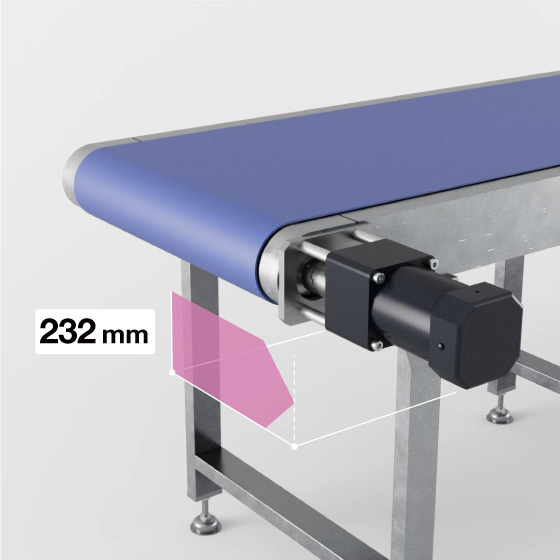 |
Brushless Motor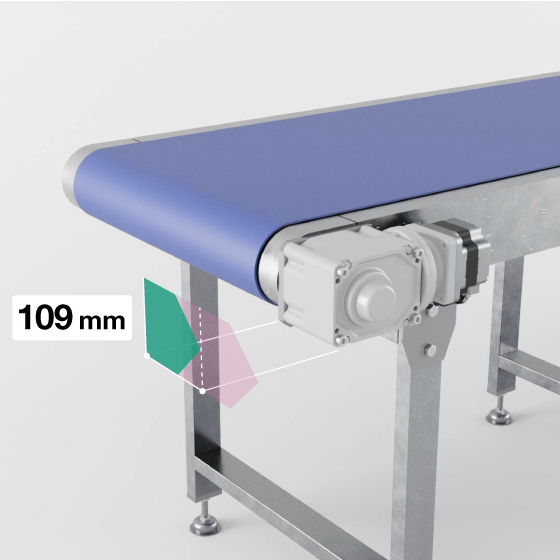 |
| Motor Specifications / Product Name | Motor: Output power 200 W Gearhead: Gear ratio 25 |
Motor: BLM5200HPK (Output power 200 W) Gearhead: 5XH50S(Gear ratio 50) |
The Heavy Motor Makes Conveyor Assembly and Maintenance Difficult
Compared to induction motors with equivalent torque and frame size, brushless motors have the following advantages.
- Reduces motor mass by approximately 50 % (8 kg → 4.2 kg)
- Reduces the burden on operators
| Application | Chain Conveyor | |
|---|---|---|
| Motor Types | Induction Motor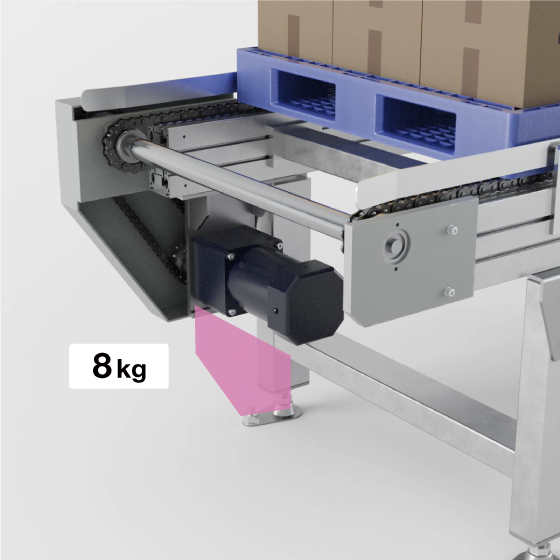 |
Brushless Motor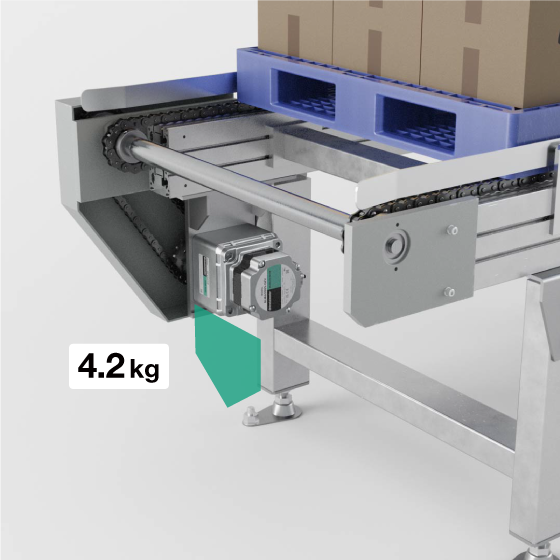 |
| Motor Specifications / Product Name | Motor: Output power 200 W Gearhead: Gear ratio 25 |
Motor: BLM6200S-GFV (Output power 200 W) Gearhead: GFV6G50(Gear ratio 50) |
Incorporating Conveyors Into Small Equipment
Compared to induction motors with equivalent torque and frame size, brushless motors have the following advantages.
- Motor protrusion reduced by approximately 40 % (115 mm → 72 mm)
- Contributes to equipment miniaturization and footprint reduction
| Application | Belt conveyor x Embedded equipment | |
|---|---|---|
| Motor Types | Induction Motor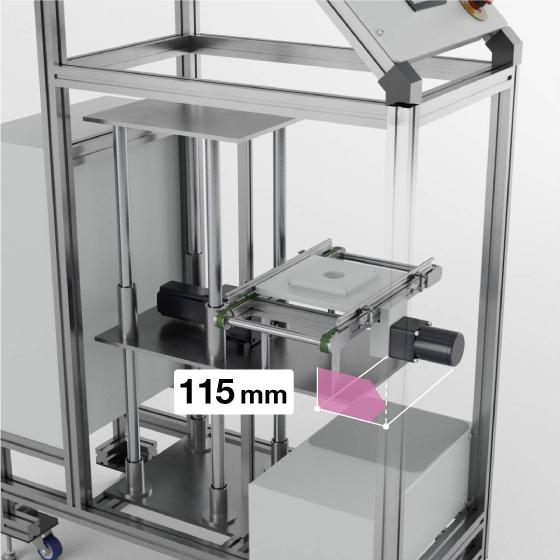 |
Brushless Motor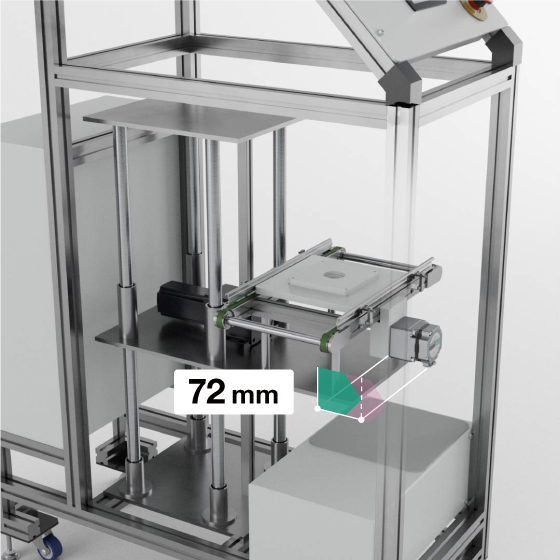 |
| Motor Specifications/Product Name | Motor: Output power 6 W Gearhead: Gear ratio 25 |
Motor: BLM230-GFV2 (Output power 30 W) Gearhead: GFV2G10(Gear ratio 10) |
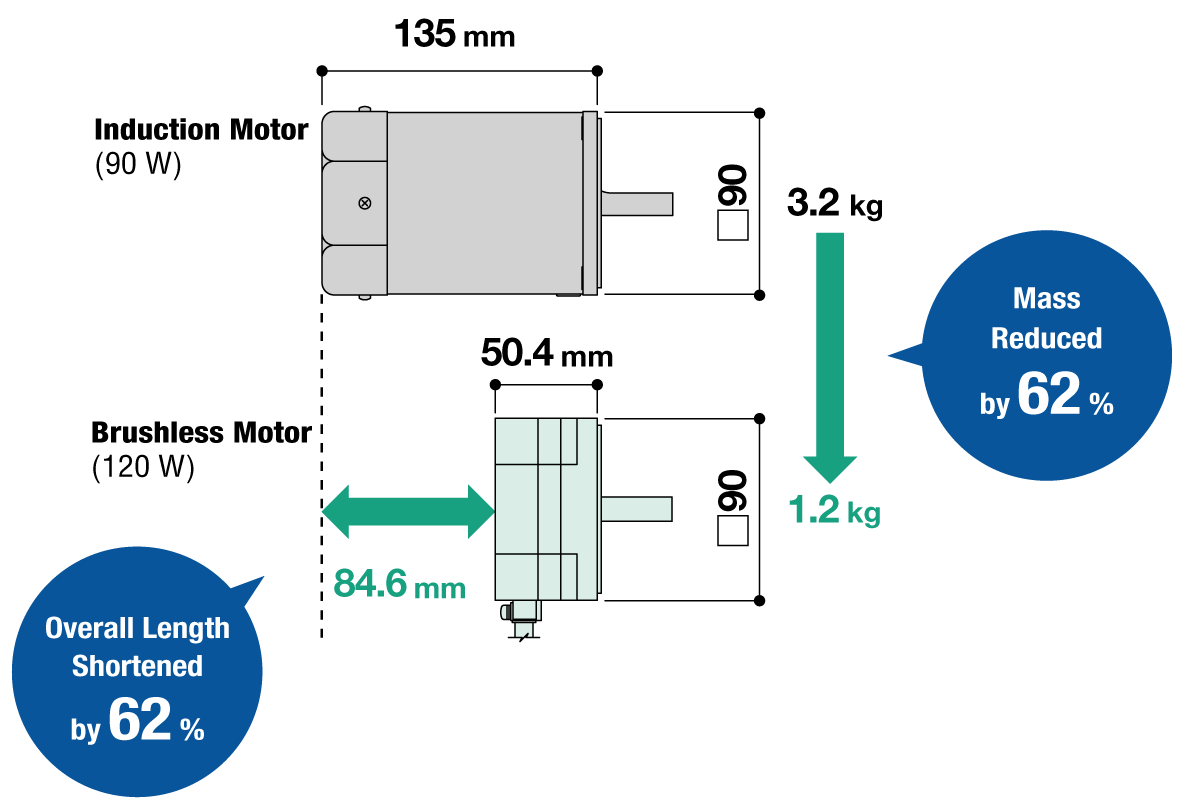
Brushless Motor Technical Information 1
Brushless motors uses permanent magnets for the rotor, making it small, thin, lightweight, and high power than induction motors.
Stabilize the Conveyor Speed
Here are application examples that take advantage of characteristics "excellent speed stability" of brushless motors.
Printing and Labeling Positions Vary due to the Speed Difference Between the Left and Right Belts
Compared to induction motors with equivalent torque and frame size, brushless motors have the following advantages.
- Reduces the speed difference between the left and right belts
- Improved quality of printing and label application position
| Application | Side Conveyor | |
|---|---|---|
| Motor Types | Induction Motor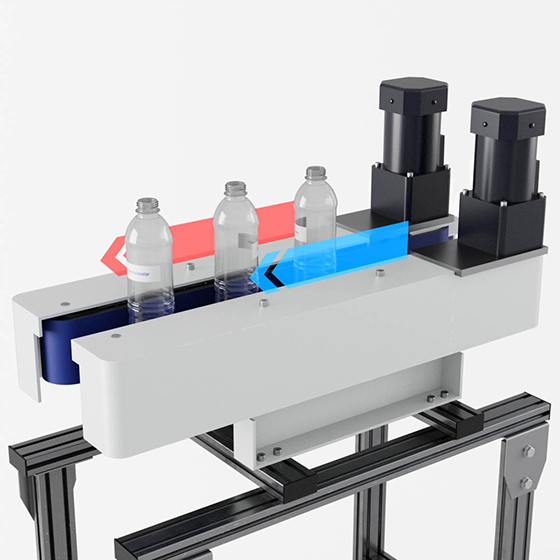 |
Brushless Motor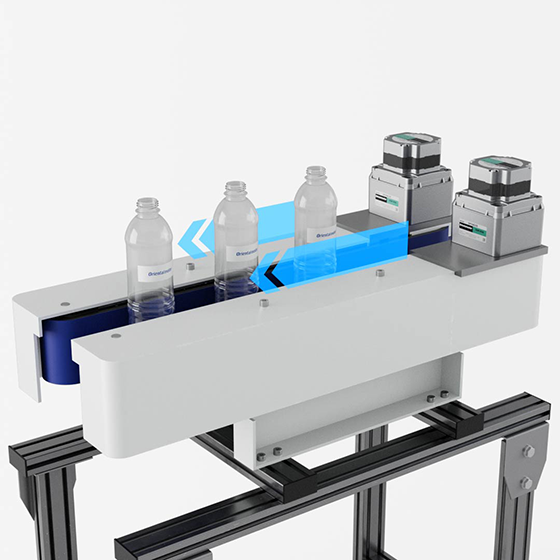 |
| Motor Specifications / Product Name | Motor: Output power 200 W Gearhead: Gear ratio 25 |
Motor: BLM6200S-GFV (Output power 200 W) Gearhead: GFV6G50(Gear ratio 50) |
Workpiece Flow is Disrupted at the Conveyor Delivery Section
Compared to induction motors with equivalent torque and frame size, brushless motors have the following advantages.
- Reduce the speed difference between the belts before and after the workpiece is transported
- Smoother workpiece transfer improves productivity
| Application | Belt conveyor x Connecting transport | |
|---|---|---|
| Motor Types | Induction Motor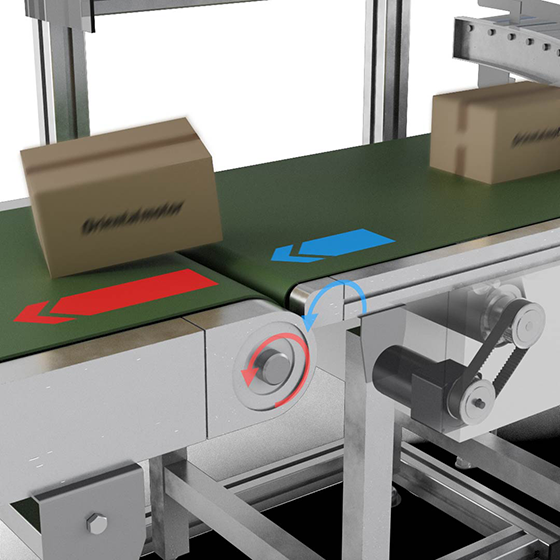 |
Brushless Motor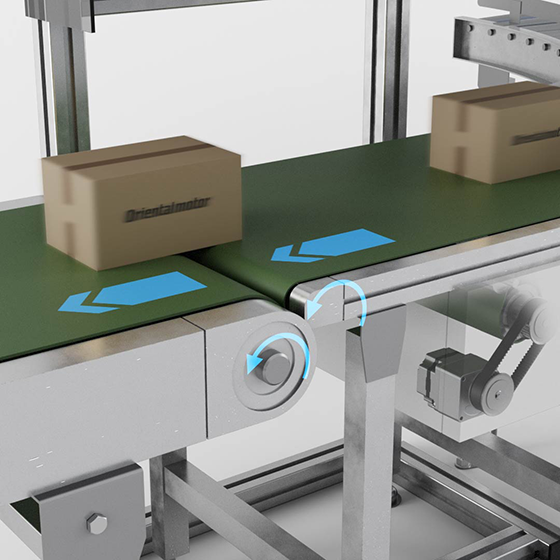 |
| Motor Specifications / Product Name | Motor: Output power 6 W Gearhead: Gear ratio 25 |
Motor: BLM230-GFV2 (Output power 30 W) Gearhead: GFV2G10(Gear ratio 10) |
Brushless Motor Technical Information 2
Brushless motors compares the command speed with the detection speed and controls the difference to zero, resulting in high speed stability. The speed remains stable even when the motor load fluctuates. Speed regulation against the load will be as follows.
| Brushless Motor BMU Series |
Induction Motor +General-purpose Inverter (V/f control) |
|---|---|
| ±0.2 % | Approx. -10 % (Reference value) |
Reduces Conveyor Power Consumption
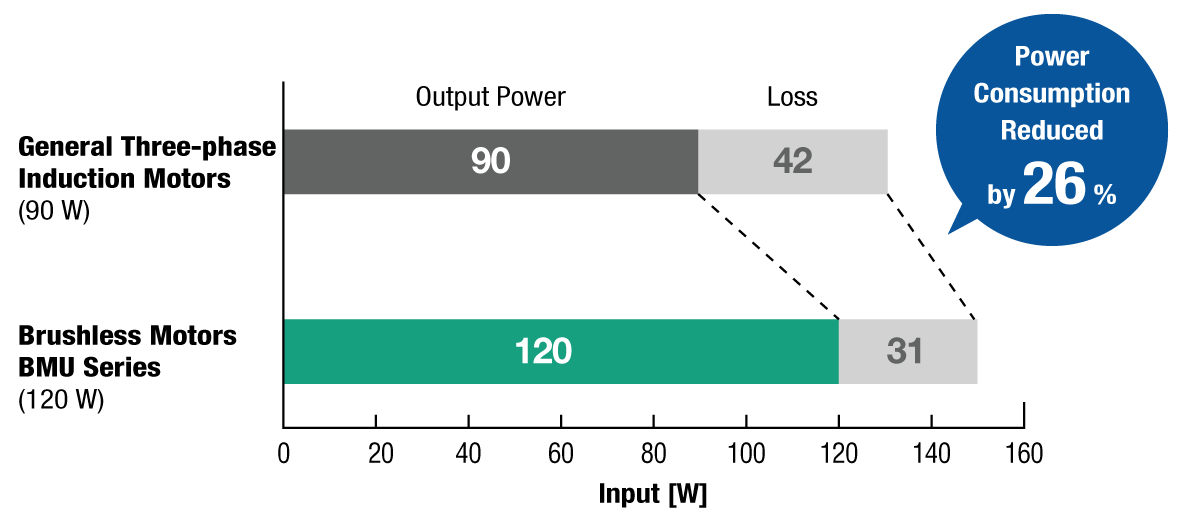
Brushless motors are more efficient than induction motors because it uses permanent magnets in the rotor. Therefore, power consumption and CO2 emissions can be reduced.
Using Conveyors in Food Machinery
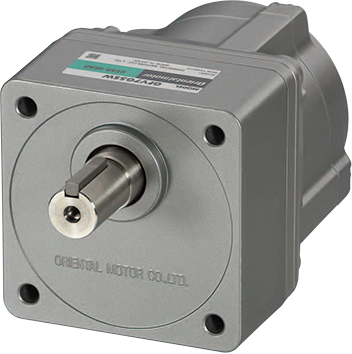
Watertight, dust-resistant motors with IP67 specifications and motors with H1 lubricant are available. Advantages such as resistance to water and dust, rust resistance, and safety for the human body.
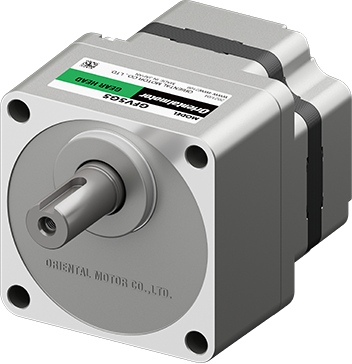
Brushless Motor Lineup Recommended for Conveyors
| Series | BMU Series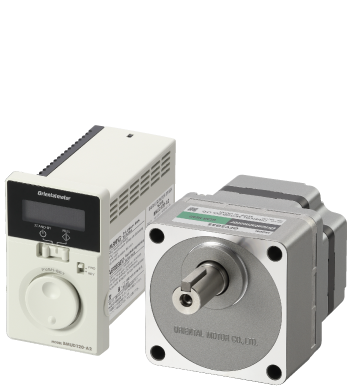 |
BLE2 Series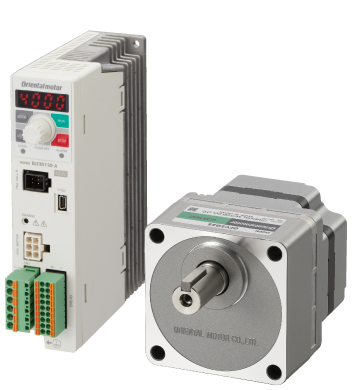 |
BLS Series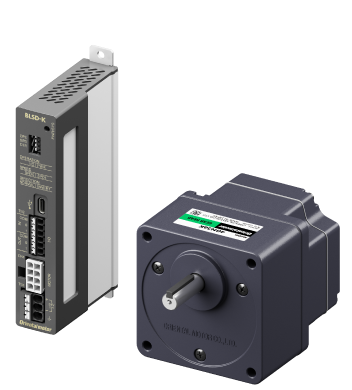 |
|---|---|---|---|
| Key Features |
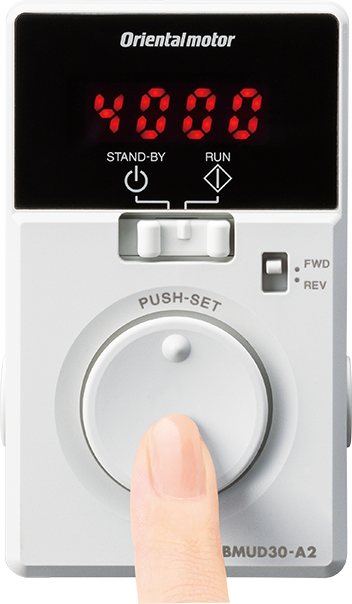
|
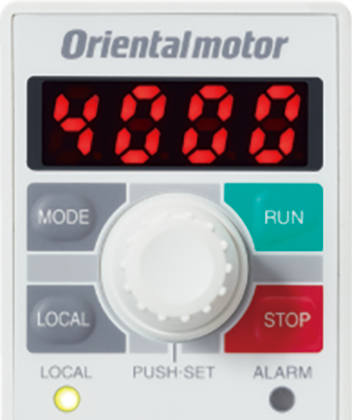
|
|
| Output Power | 30 W~400 W | 25 W~120 W | |
| Power Supply Input Specifications | AC power supply | DC power supply | |
| Speed Regulation (Load) |
±0.2 % | ||
| Speed Control Range | 80~4000 r/min | 100~4000 r/min | |
| Motor Type | Parallel shaft gearhead Right-angle gearhead Hollow shaft gearhead Round shaft (Without gearhead) Watertight and dust-resistant H1 food-grade lubricant compatible |
Parallel shaft gearhead Hollow shaft gearhead Round shaft (Without gearhead) |
|